





Political differences should be resolved through understanding within constitutional frameworks, not through confrontation, and there is a need to respect the rights of all nationalities in Sindh.
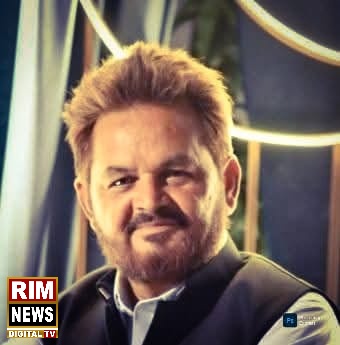
Karachi (Staff Report) – Renowned senior journalist and columnist Javed Siddiqui, while discussing the political history, current role of the Pakistan Peoples Party (PPP), and the situation in Sindh, stated that a party that has struggled for democracy should periodically assess its political journey, governance style, and current standing. Siddiqui remarked that while it is easy to criticize political opponents, it is essential for any political party and leader to demonstrate patience, tolerance, and political strategy, considering dissent, criticism, and public reaction as part of the democratic process.
He noted that he closely observed the era of Zulfikar Ali Bhutto and attended many of his rallies and speeches. According to him, during Bhutto’s political era, there was a different atmosphere of political collaboration and mutual relations among various linguistic and social classes in Sindh, which led to individuals from different backgrounds, including Urdu-speaking citizens, being associated with the PPP. He mentioned that after Zulfikar Ali Bhutto, Benazir Bhutto took charge of the PPP during challenging political circumstances and kept the party active at the national level through her political struggle.
Siddiqui stated that the political struggle of various members of the Bhutto family is an important chapter in Pakistan’s political history, but the tragic events faced by this family have also had profound effects on national politics. Addressing Bilawal Bhutto Zardari, he emphasized that it is crucial for the current leadership of the PPP to prioritize public issues over emotional reactions, exercising wisdom, patience, and political insight. He asserted that respecting the constitutional and legal rights of all citizens, including those in Sindh, should be a fundamental responsibility of political parties, ensuring equal rights, basic facilities, employment, education, health, law and order, and an effective local government system as a basic requirement of state and provincial governance.
Political leadership should prioritize public welfare and constitutional equality over ethnic or group divisions. Siddiqui referred to Asif Ali Zardari’s political role, stating that he has played a significant role in promoting reconciliation and political dialogue in Pakistani politics. He mentioned that fostering negotiations and consensus among various political forces is a vital means of stabilizing the democratic system. He referenced the political period after 2008 and the 18th constitutional amendment, highlighting that this amendment brought significant constitutional changes regarding provincial autonomy and the transfer of powers. He noted that along with provincial autonomy, it was also essential to transfer powers to the local level to provide better administrative facilities to citizens.
According to him, a major reason for the current political and administrative issues is the concentration of power, a weak local government system, mismanagement, allegations of corruption, nepotism, and the poor performance of public institutions. However, he stressed that these matters should be addressed through transparent accountability, the rule of law, and effective institutional reforms rather than political blame games. Siddiqui referred to the recent political debate surrounding the 28th constitutional amendment, stating that before forming a final opinion on constitutional amendments, it is necessary to clarify their text, scope, and potential impacts to the public and experts. He asserted that the fundamental purpose of any constitutional change should be public welfare, federal and provincial balance, effective governance, and fair distribution of powers.
He concluded that the solution to Pakistan’s political, economic, and administrative issues lies not in the confrontation of political forces but in the constitution, law, parliament, negotiations, and understanding. He emphasized that no political party or government should overlook the constitutional rights of the public, and democratic and constitutional avenues should remain open for dissenting forces. Siddiqui appealed to all political parties to consider each other as democratic rivals rather than political enemies and adopt a joint strategy to resolve public issues. He stated that ensuring peace, justice, basic facilities, transparent governance, and equal rights for citizens in all provinces, including Sindh, is the foundation of a strong democracy. He further added that in the current circumstances of Pakistan, political leadership, state institutions, civil society, media, and the public all need to adopt responsible behavior. While political differences exist, consensus on national unity, the supremacy of the constitution, the rule of law, and the fundamental rights of the people is a pressing need of the time.